
Taking up golf as an adult beginner: your first 90 days
By Priya Whitfield · Updated 2026-06-12
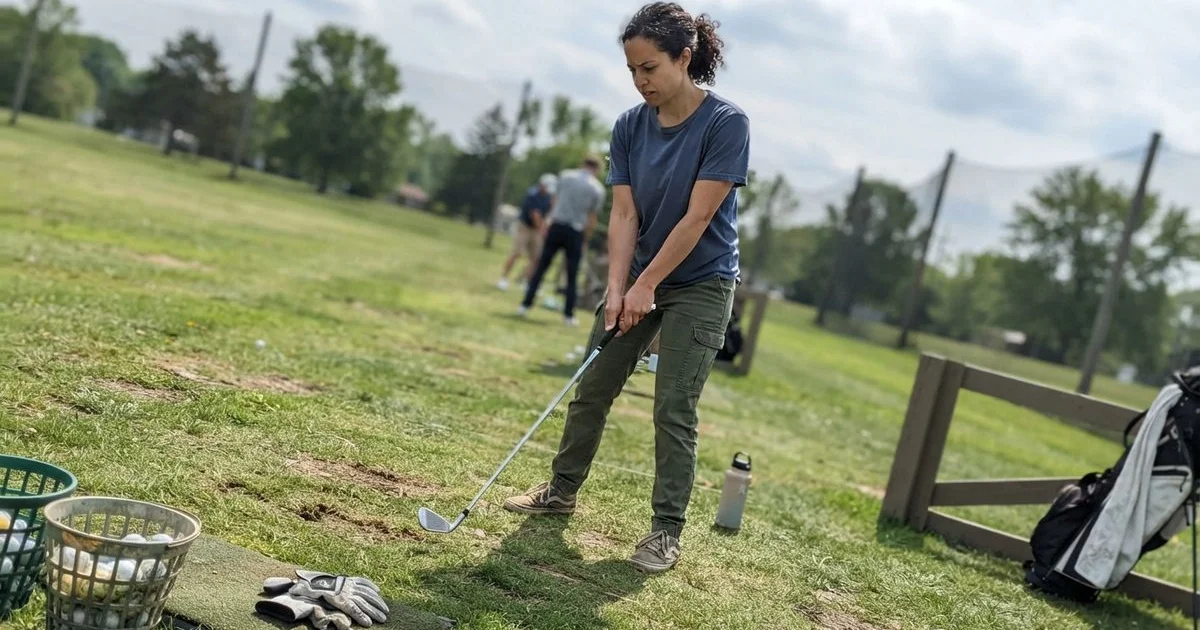
Starting golf as an adult comes with a specific kind of pressure: you’re old enough to feel self-conscious about being bad at something new, but genuinely new enough that basic contact isn’t guaranteed yet. Here’s a realistic breakdown of what the first three months typically look like, so you know what’s normal and what to actually prioritize at each stage.
Weeks 1-4: fundamentals over everything
The first month should be almost entirely about fundamentals: grip, stance, alignment, and posture. It feels slow, and it’s tempting to skip ahead to swinging harder or hitting driver, but skipping these basics tends to create bad habits that take much longer to unlearn later than they would have taken to build correctly the first time. Expect your first lesson or two with a golf coach to focus almost entirely on setup, with minimal emphasis on full swing mechanics until your grip and stance are consistent enough to build on.
| Timeframe | Focus | What “progress” looks like |
|---|---|---|
| Weeks 1-4 | Grip, stance, alignment, basic contact | Consistent setup, not distance or accuracy yet |
| Weeks 5-8 | Full swing mechanics, short game basics | More reliable contact, first attempts at chipping and putting |
| Weeks 9-12 | Course-ready basics, etiquette, first rounds | Playing a short round or par-3 course without holding up other groups |
Weeks 5-8: building the full swing
Once your setup is consistent, lessons typically shift toward full swing mechanics: backswing, transition, and follow-through, along with an introduction to short game (chipping and putting). This is usually when a beginner’s contact starts becoming more reliable, even if distance and accuracy are still inconsistent. It’s also a reasonable point to start practicing on your own between lessons, ideally with a specific focus your instructor gave you rather than unstructured range time.
Weeks 9-12: getting course-ready
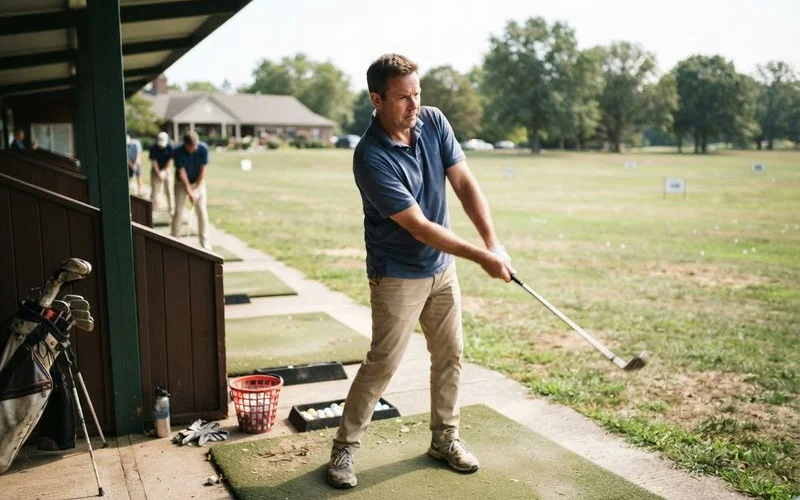
By the third month, many beginners are ready to start thinking about actually playing, whether that’s a short executive course, a par-3 layout, or a quiet weekday round with an understanding friend. Lessons at this stage often shift toward course-ready basics: pace of play etiquette, club selection for different distances, and managing the mental side of hitting a shot that actually counts rather than just repeating range swings. Ask your instructor directly when they think you’re ready for the course, since jumping in too early with no realistic sense of pace can be stressful for both you and the group behind you.
What’s actually normal to expect
Progress in the first ninety days is rarely linear. You’ll likely have a lesson where everything clicks followed by one where basic contact feels harder than it did two weeks earlier. This is normal and doesn’t mean you’re regressing, it usually reflects your body building new motor patterns rather than any real step backward. Consistency (regular lessons, even short amounts of practice between them) matters far more over this window than any single session’s outcome.
Managing the self-consciousness
Most adult beginners feel some version of the same worry: everyone else on the range looks like they know what they’re doing, and you don’t. Worth remembering that a driving range at almost any hour has a wide mix of skill levels, and nobody is tracking your mishits as closely as you think they are. If the range still feels too exposed early on, ask your instructor about a private hitting bay or an off-peak time slot until your confidence catches up with your swing.
Setting yourself up for the long run
Resist the urge to buy a full set of clubs before you know golf is going to stick. Most instructors have loaner or demo clubs for exactly this reason, and buying equipment before you have any sense of your swing tendencies often means buying the wrong fit. Once you’re a few months in and genuinely committed, a proper fitting is worth the investment. At that point many instructors will pitch a multi-lesson package; the guide on how to tell if a lesson package is worth it covers what to check before buying one. Compare beginner-friendly instructors and academies across Charlotte on the full directory, and see our methodology for how we score providers based on reviewer feedback.
FAQ
- Do I need to buy clubs before my first lesson?
- No. Most instructors and facilities have loaner or demo clubs for beginners. Wait until you've had a few lessons and know golf is going to stick before investing in your own set.
- How many lessons do I need before I can play a real round?
- Most instructors suggest three to five sessions covering grip, setup, contact, and short game before heading to the course, though this varies depending on how often you practice between lessons.
- Is it normal to feel like I'm not improving in the first few weeks?
- Yes. Early progress is often inconsistent since you're building entirely new motor patterns. Consistency over the first couple of months matters more than any single lesson.
- Should I start with private lessons or a beginner group clinic?
- Either works. A group clinic is a lower-cost way to test whether you enjoy golf before committing to private rates, while private lessons offer more individualized pacing from the start.