
Golf lessons for seniors: what changes and what to expect
By Priya Whitfield · Updated 2026-06-16
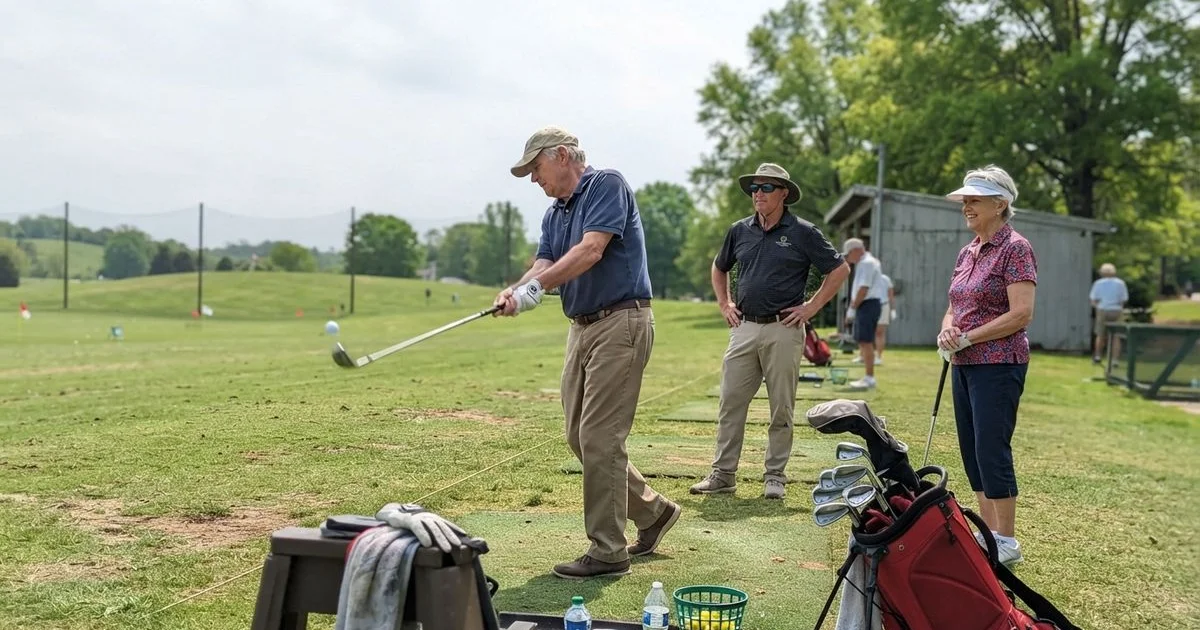
Age changes what a golf lesson should look like, whether you’re a lifelong player adjusting to a changing body or someone picking up clubs for the first time well into adulthood. Here’s what tends to shift, and what to expect from an instructor who actually accounts for it.
What genuinely changes with age
The fundamentals of a good golf swing don’t change based on age: grip, stance, alignment, and swing sequencing follow the same principles at sixty as they do at twenty. What does change is physical capacity: mobility in the hips and shoulders, swing speed, and sometimes stamina across a full round. A good instructor doesn’t dumb down the teaching for an older student, they adjust the plan to work with the body that’s actually in front of them, rather than pushing mechanics that assume a younger golfer’s flexibility and power.
| What changes | How instruction typically adapts |
|---|---|
| Mobility in hips and shoulders | Swing adjustments that don’t require a full, aggressive rotation |
| Swing speed | Equipment recommendations (more flexible shafts, sometimes lighter clubs) |
| Stamina over a full round | Shorter, more focused practice sessions rather than long marathon lessons |
| Joint sensitivity (knees, back, wrists) | Warm-up emphasis and swing mechanics that reduce unnecessary strain |
Starting fresh later in life
If you’re picking up golf lessons for the first time as an older adult, you’re not behind some invisible curve. Instructors who regularly work with beginner seniors typically build in more time on fundamentals and pace the lesson to match comfort rather than assuming quick physical adaptation the way a younger student might handle. It’s worth being upfront with a prospective coach about your golf background (none at all, or returning after years away) and any physical considerations, so the very first lesson is built around where you actually are rather than a generic starting point.
Returning after a long break
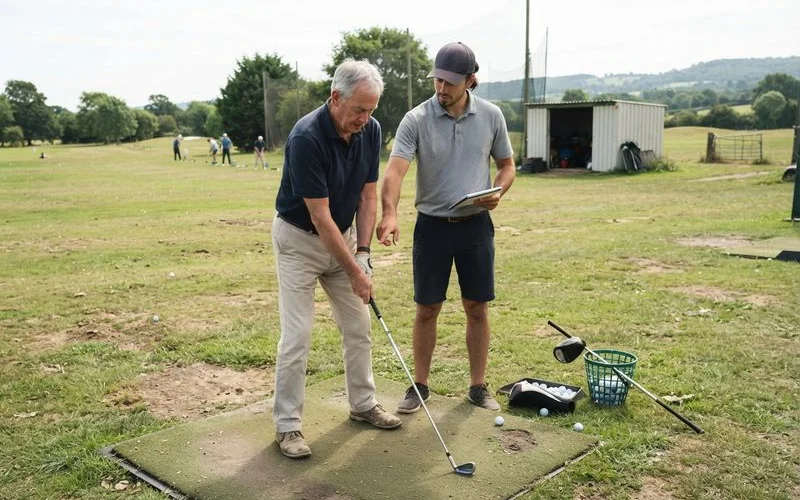
A lot of senior golfers aren’t beginners at all, they’re returning to a game they played decades ago, often with a body that moves differently now than it did back then. This is a common and specific situation worth mentioning to an instructor directly, since the swing you remember and the swing your current mobility can actually produce may not match anymore. A coach who understands this will focus on adapting your swing to your current physical reality rather than trying to rebuild the swing you used to have.
Equipment worth reconsidering
Slower swing speeds generally pair better with more flexible shafts, since a shaft that’s too stiff for your swing speed can reduce distance and control rather than help either. If you’re playing with clubs from years or decades ago, a basic fitting conversation is worth having, since equipment technology and fitting standards have both changed considerably. This doesn’t necessarily mean an expensive new set. Sometimes a shaft swap or a lighter overall setup makes a meaningful difference without a full equipment overhaul.
The fitness side of the equation
Golf offers real, low-impact benefits for older adults: walking a course is solid cardiovascular activity, and a properly taught swing builds rotational mobility and balance over time. Instruction that’s mindful of joint health, emphasizing a controlled, repeatable motion over maximum power, helps you get these benefits without unnecessary strain on the back or knees. If a coach seems focused purely on adding swing speed without regard for how that affects your joints, it’s reasonable to ask for a more conservative approach.
The social side is worth considering too
Group clinics and leagues built around a similar age range can be worth exploring alongside or instead of private lessons, since the social element (playing and practicing alongside peers) is part of what keeps a lot of senior golfers coming back regularly. If sticking with a routine has been a challenge in the past, a group format with a consistent weekly time slot can help build the habit in a way solo practice sometimes doesn’t. Group formats also tend to be the more affordable route; the guide to free and low-cost ways to improve your game covers other budget-friendly options worth trying.
Finding the right fit
Ask a prospective instructor directly about their experience working with older or returning golfers, since that experience shapes how they pace lessons and adjust expectations. Browse Charlotte instructors on the full directory, and see our methodology for how we factor in reviewer feedback when scoring providers.
FAQ
- Is it too late to start golf as a senior?
- No. Plenty of Charlotte golfers take up the game for the first time in their sixties and beyond. A good instructor will adjust pacing and expectations to fit where you're starting from, whatever that looks like.
- Will an instructor change their teaching approach for an older student?
- A good one will, at least in terms of pacing, session length, and accounting for any mobility limitations. The core fundamentals of grip, stance, and swing mechanics don't change based on age, but how they're taught and practiced often should.
- Do seniors need different equipment?
- Often, yes. Slower swing speeds typically pair better with more flexible shafts, and some seniors benefit from lighter clubs overall. A fitting conversation is worth having if you haven't updated equipment in years.
- How does golf help with fitness as you age?
- Walking a course provides low-impact cardio, and the swing itself, taught with sound mechanics, builds rotational mobility and balance. Instruction that's mindful of joint health helps you get these benefits without unnecessary strain.