
Junior tournament prep: when your kid is ready for competitive coaching
By Priya Whitfield · Updated 2026-07-03
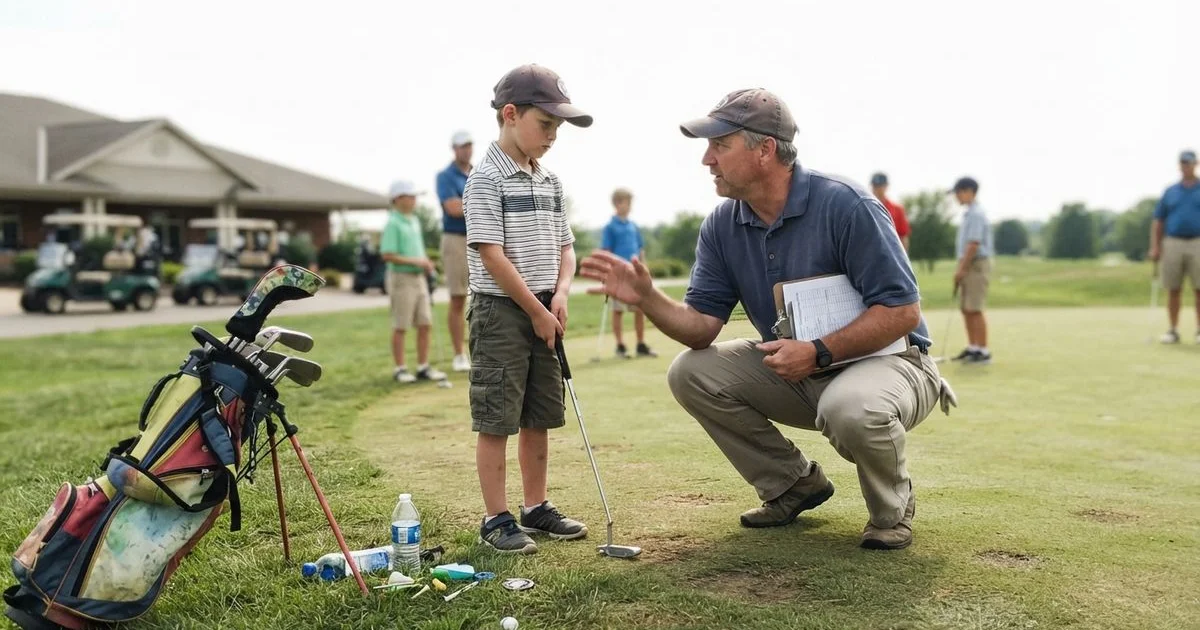
There’s a real gap between a junior golfer who enjoys weekly lessons and one who’s ready to compete. Pushing a kid into tournament-focused coaching before they’re ready can backfire into burnout, while waiting too long can mean missing a stretch where a motivated kid was actually asking for more. Here’s how to read the signs and what the step up actually looks like.
Signs your child might be ready
A few patterns tend to show up together when a junior golfer is genuinely ready for more structured, competitive coaching rather than casual lessons. They’re practicing on their own between sessions without being asked. They’ve started asking about scores and handicaps rather than just enjoying time on the range. And they’ve shown they can handle a bad shot or a bad hole without it derailing the rest of their round, which matters more for tournament readiness than raw swing quality does. If your child still gets visibly frustrated after every mishit, more foundational work in a lower-pressure setting is probably the better next step before adding competitive stakes. If you’re not sure your child is at this stage yet, the age-by-age breakdown of junior lessons is a useful gut check first.
| Signal | What it suggests |
|---|---|
| Practices without prompting | Genuine motivation, not just going through the motions |
| Asks about scores or handicap | Interest in measurable, competitive progress |
| Recovers from a bad hole reasonably well | Emotional readiness for tournament pressure |
| Wants to play full rounds, not just hit balls | Ready for course-focused coaching |
What tournament prep coaching actually adds
Structured competitive coaching for junior golfers typically layers in a few things regular lessons don’t emphasize as heavily: course management specific to tournament conditions, pre-shot and pre-round routines that help manage nerves, and often more frequent on-course work rather than staying primarily at the range. Some programs also incorporate basic physical conditioning appropriate for younger athletes, since swing consistency and endurance across a full round both benefit from it. The coaching relationship tends to become longer-term and more structured too, with a development plan that spans months or seasons rather than session-by-session goals.
Finding the right fit
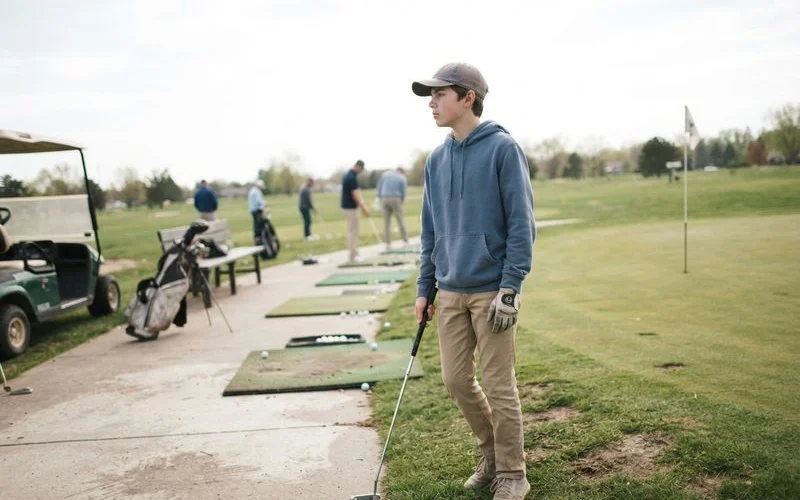
Not every instructor who teaches juniors has specific tournament coaching experience, and that’s worth asking about directly. A coach who has guided kids through actual competitive events will typically have more concrete strategies for pre-round nerves and in-round recovery than one whose experience is mostly casual lessons. Ask a prospective coach how many of their students currently compete, what a typical week looks like for a tournament-track junior, and how they balance skill development with keeping the process enjoyable, since burnout is a real risk once lessons start feeling like a job rather than a game.
Managing the pace
Even a genuinely motivated kid can be pushed too hard too fast. Watch for warning signs like dropping enthusiasm, complaints about practice feeling repetitive, or a noticeable dip in performance that seems tied to pressure rather than skill. A good tournament-focused coach builds in variety and keeps some sessions lighter, rather than treating every practice like preparation for the next event. If your child’s coach isn’t adjusting pace based on how your kid is actually responding, that’s worth raising directly, or worth considering a different coach whose style fits better.
What local competitive play typically looks like
Junior tournament golf in the Charlotte area usually starts with lower-pressure local events before scaling up to regional or state-level competition, giving kids a chance to build tournament experience gradually rather than being thrown into high-stakes play right away. A coach with tournament experience can help map out a realistic sequence of events matched to your child’s current level, rather than pushing straight for the most competitive option available.
Getting started
If you think your junior golfer is ready for this step, start with a conversation with their current instructor about what a transition to more structured coaching would look like before switching programs entirely. Many coaches can gradually increase intensity within an existing relationship rather than requiring a clean break. Compare Charlotte instructors and academies with junior tournament programs on the full directory, and check our methodology for how instructor experience and reviews factor into our scoring.
FAQ
- What's the difference between regular junior lessons and tournament prep coaching?
- Regular junior lessons focus on fundamentals and general enjoyment of the game. Tournament prep adds course strategy under pressure, mental game work, and often a more structured, longer-term development plan tied to specific competitive goals.
- Does my child need a coach with tournament experience specifically?
- It helps. A coach who has worked with competitive juniors will understand things like pre-round routines and handling pressure that a purely fundamentals-focused instructor may not emphasize as much.
- How much more does tournament-focused coaching cost?
- It varies, but expect a higher time commitment (more frequent lessons, on-course work, sometimes fitness components) rather than necessarily a much higher per-lesson rate. Total cost tends to rise mainly through frequency.
- What if my child wants to compete but isn't ready for that level of coaching yet?
- That's common and not a problem. A coach can often help set a realistic timeline, layering in more structured competitive prep gradually rather than jumping straight into an intensive tournament program.